Phu Langka National Park
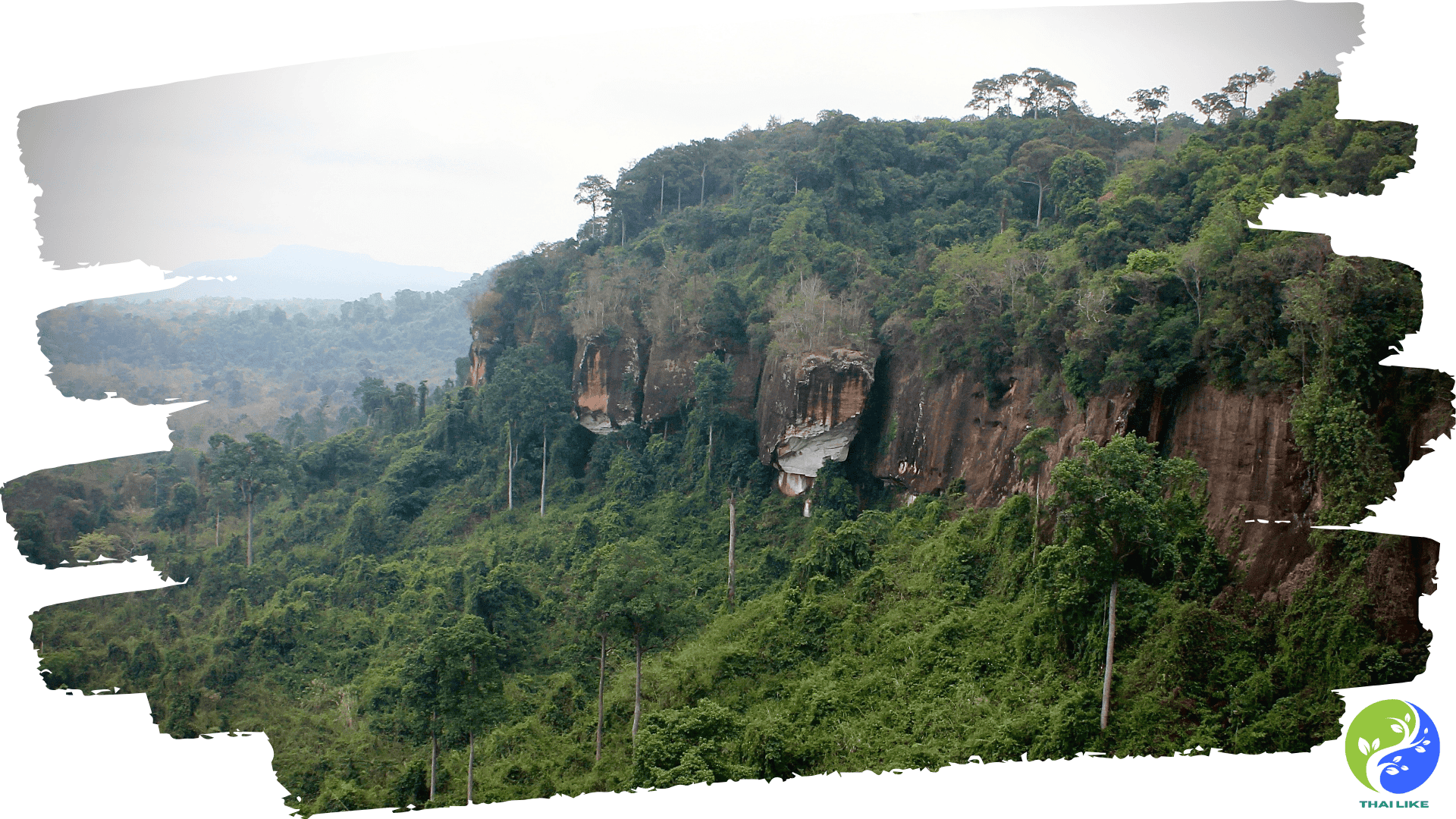
Phu Langka National Park, located in northeastern Thailand, is an ideal destination for those looking to escape mass tourism and connect with an authentic natural environment. Vegetation-covered mountains, trails through tropical forests, and an atmosphere of absolute tranquility make this park a perfect place to enjoy Thai nature in its purest form.
How to get to and find your way around the park
The park straddles Nakhon Phanom and Bueng Kan provinces.
The best way to get there is by car or motorcycle, as public transport does not go directly to the entrance. Once there, you must register at the checkpoint and pay the fee. official entrance.
When to visit the park
The The best time to visit Phu Langka is during the rainy season. (from May to October).
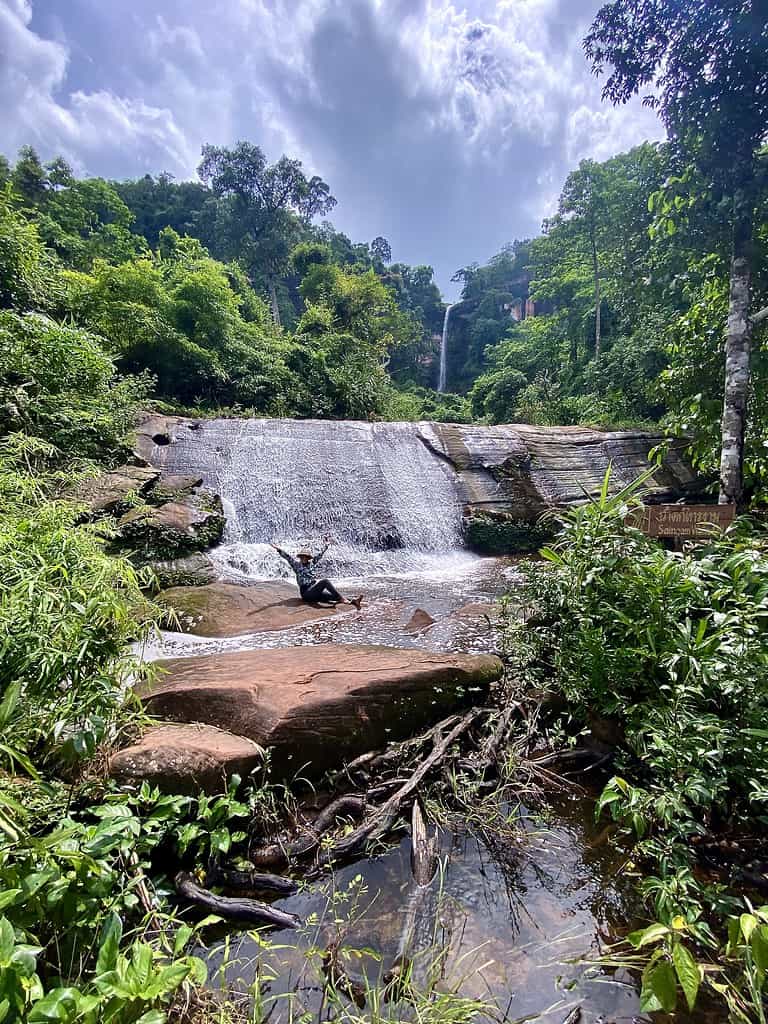
At this time, the forests are greener, the waterfalls flow more, and the landscape is especially impressive.
During the dry season (November to April), many areas become arid and some waterways may be reduced or disappear, making the experience less recommendable.
This is the location on Google Maps This national park
It is important to know that It is not permitted to make routes on your own. It is mandatory hire a licensed guide from the park itself.
Main activities: guided trails and wilderness
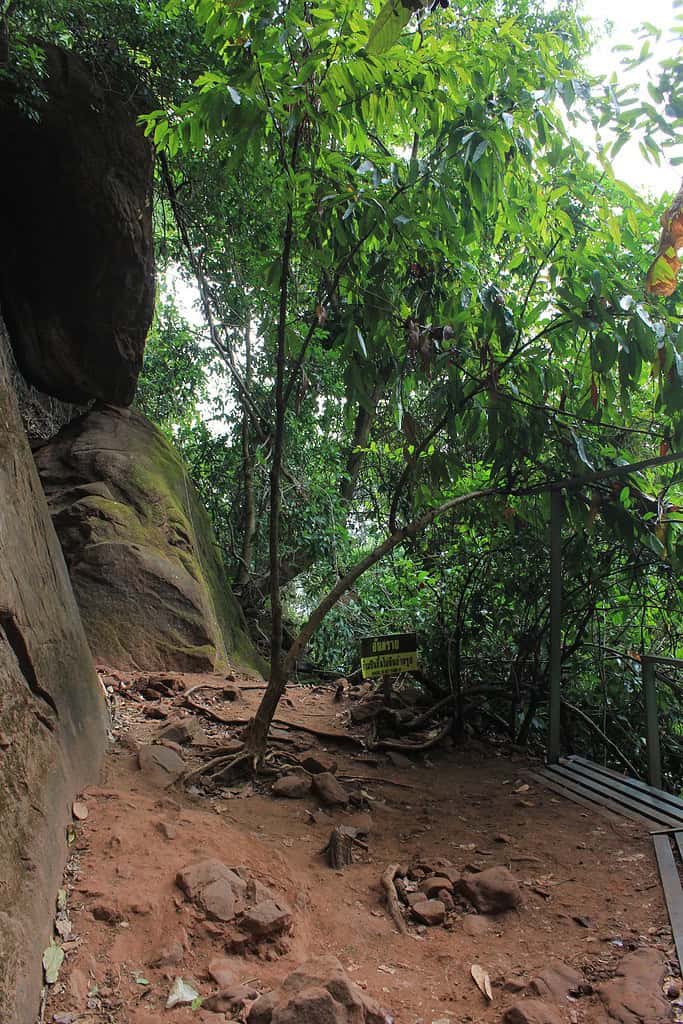
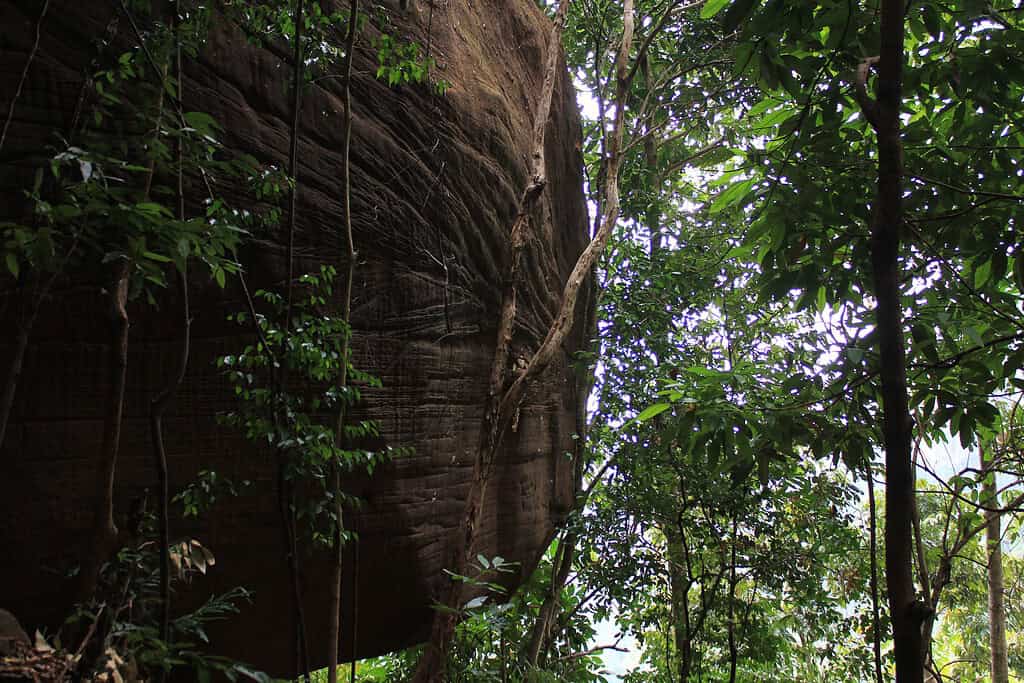
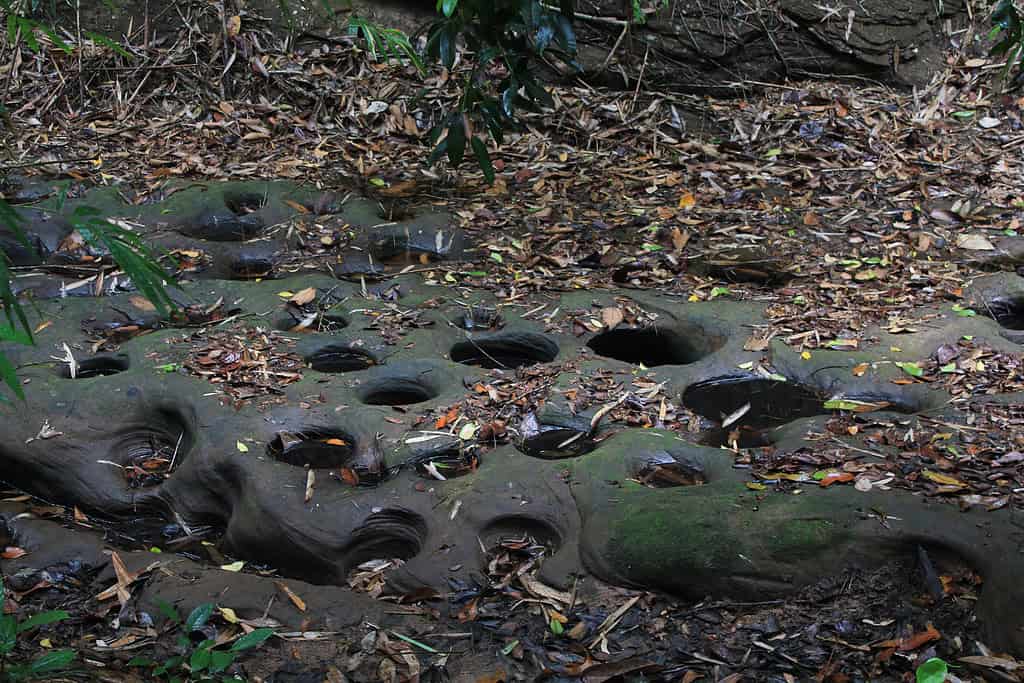
Hiking with a local guide: The park's trails pass through tropical forests, cliffs, and impressive rock formations. Your guide will explain the local flora and fauna and point out the most interesting spots.
Waterfalls and caves: Among the most visited places are the Tat Wiman waterfall and the Nakee Cave, accessible only with an official guide.
Nature photography: The trails offer spectacular scenery, especially during the rainy season, when the vegetation is at its greenest and the rivers and waterfalls are flowing vigorously.
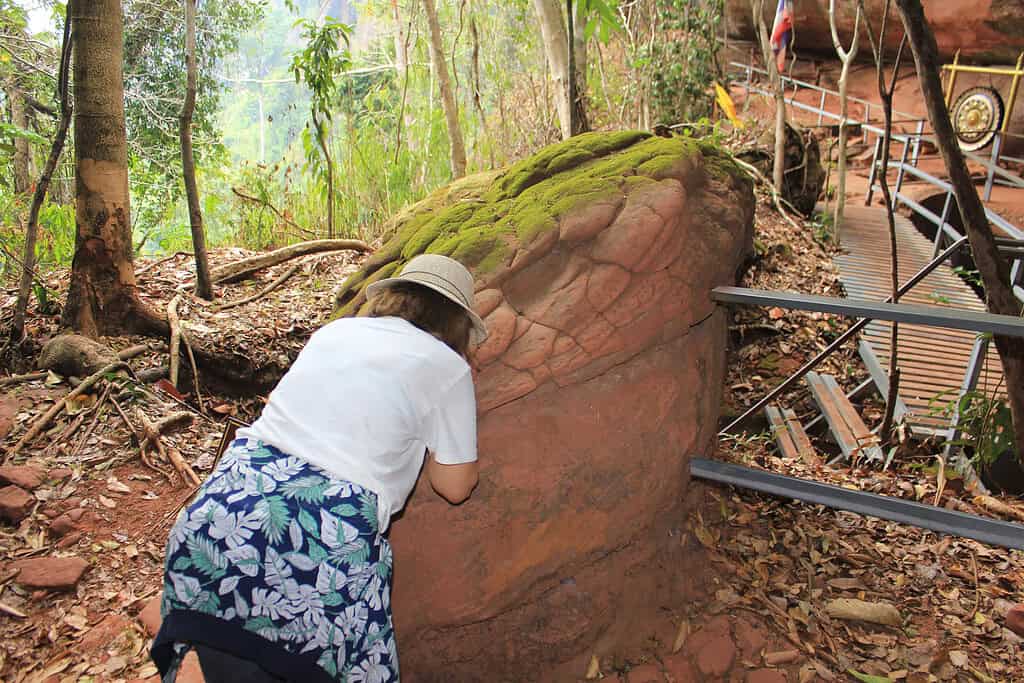
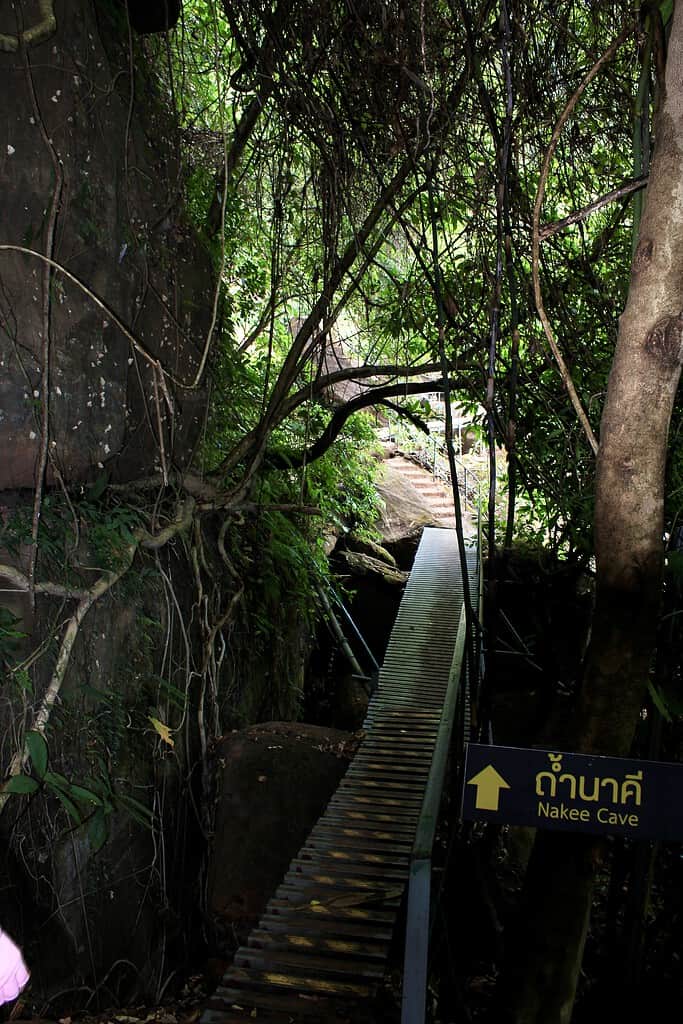
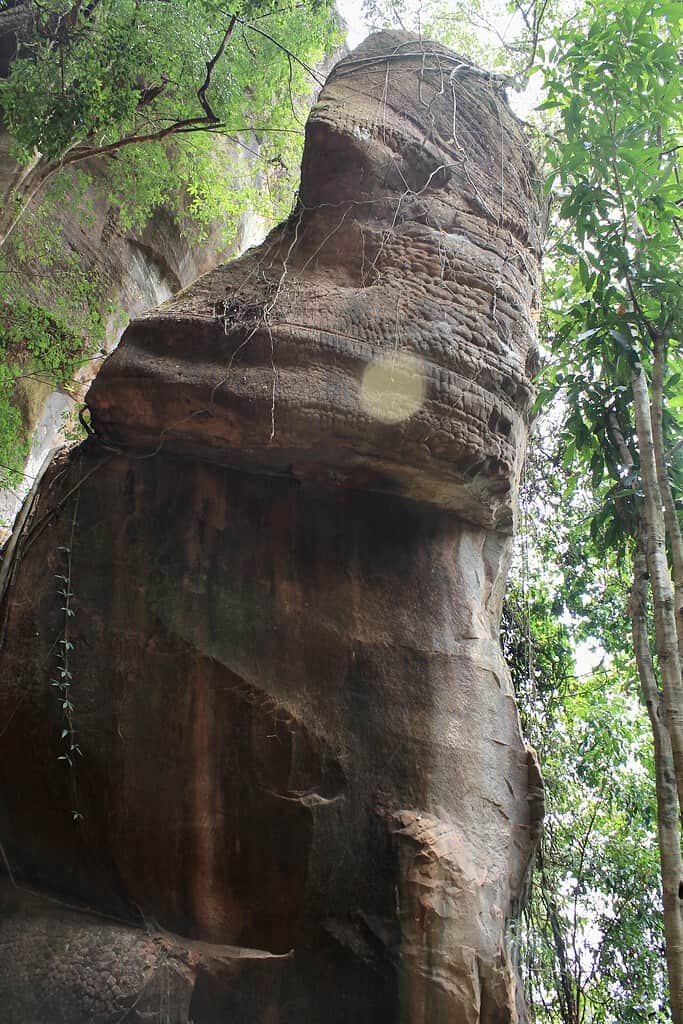
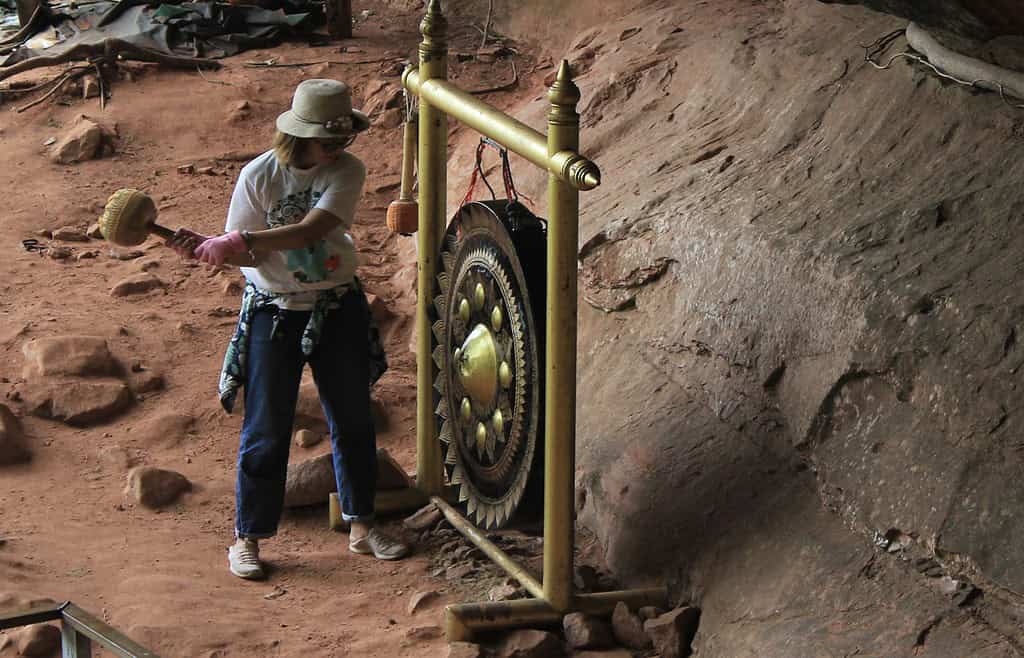
This natural paradise not only offers stunning scenic beauty but also a deep cultural connection with Buddhist spirituality, making Phu Langka National Park a must-see destination on any visit to Thailand.
Tips for hiking in Phu Langka
- Wear comfortable, closed-toe shoes, preferably hiking boots.
- Bring enough water (minimum 1 liter per person) and some light food.
- Apply sunscreen and insect repellent before starting your hike.
- Wear breathable, quick-drying clothing.
- Do not leave the group or stray from the trails marked by the guide.
- Always follow the instructions of park staff.
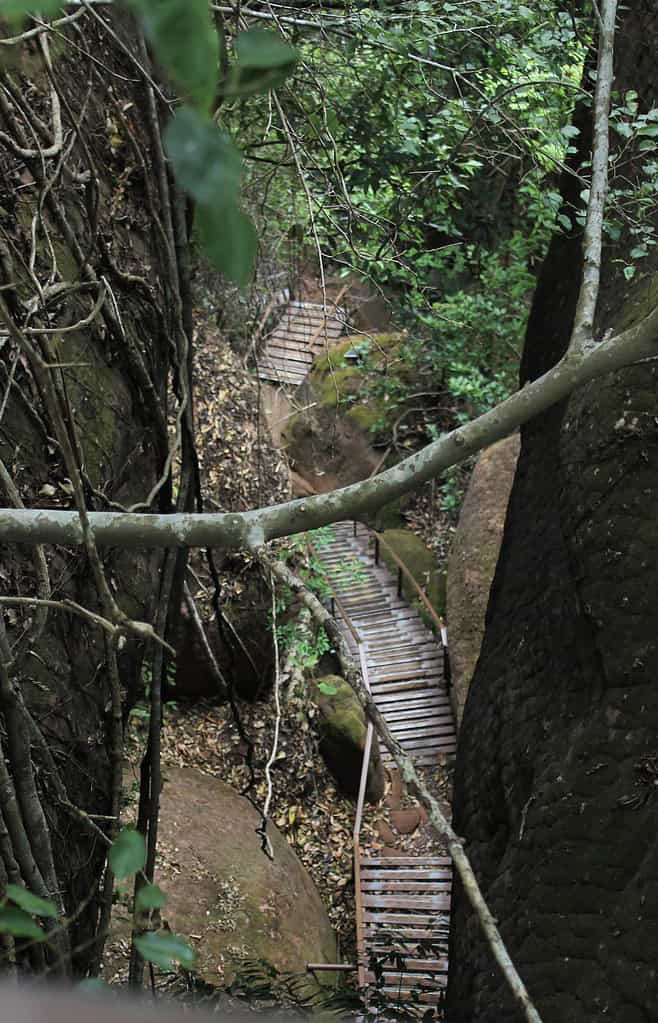
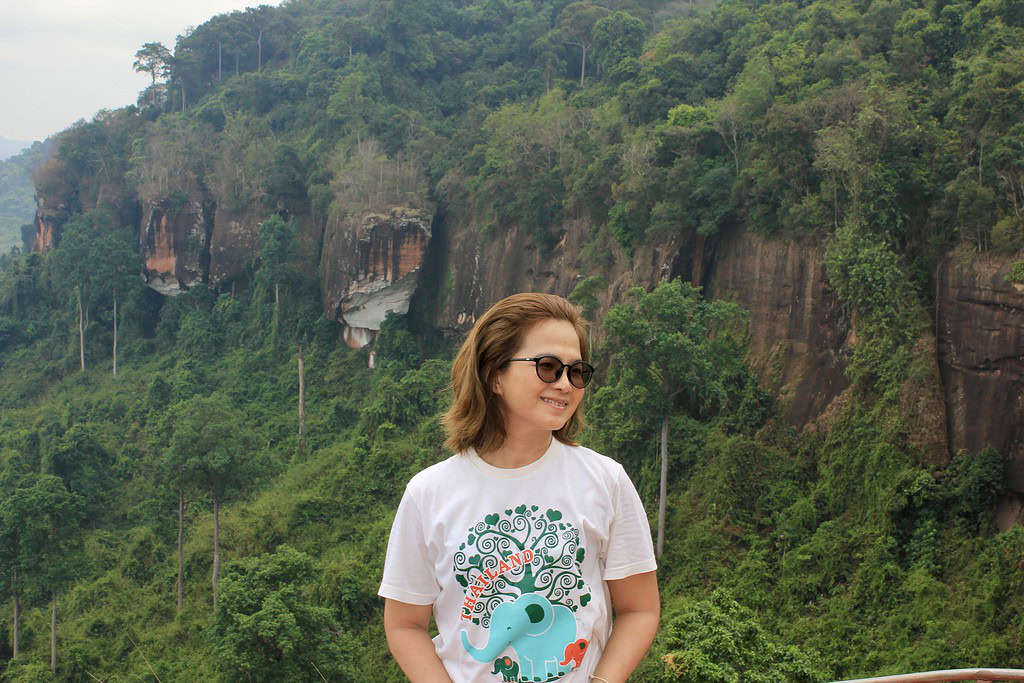
The viewpoint
The hike lasts approximately three hours and culminates at a viewpoint offering spectacular views of the Mekong River and neighboring Laos.
During the rainy season, it is possible to cool off in the river upon returning to base camp, although during the dry season, the water flow is minimal and there are no active waterfalls.
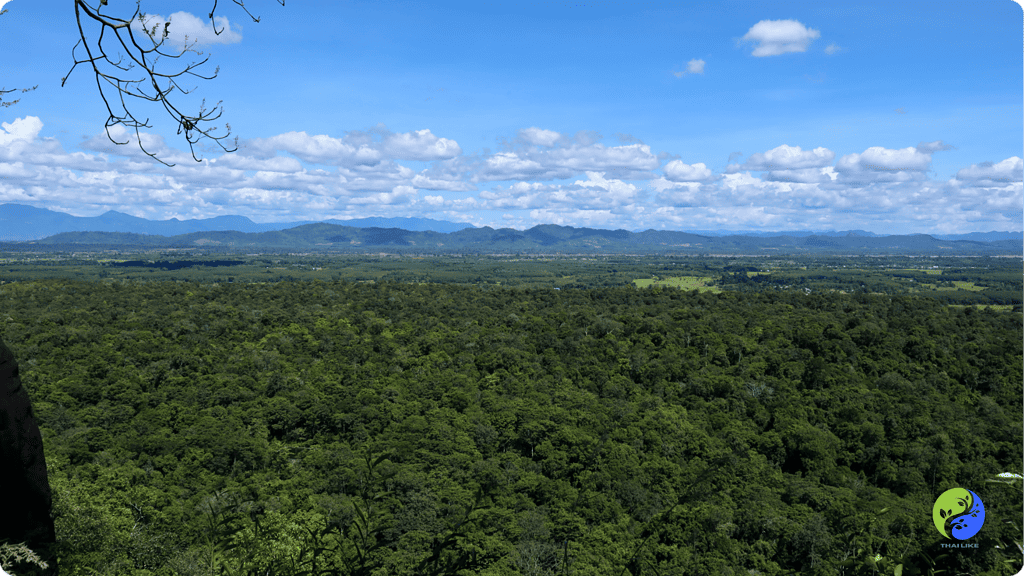
Phu Langka National Park will leave you breathless with its sublime beauty throughout its entire journey and the sacred nature of some of its sites for Thais. The numerous stops to rest and admire the scenery make this excursion an unforgettable experience for any nature and culture lover.
Make sure you're prepared for the adventure with the right gear and enjoy a tour that will leave you amazed with every step.
It's important to bring water and mosquito repellent. Many visitors pack a backpack that includes water, soft drinks, and joint pain relief products.
In the nearby villages you can find typical accommodations homestay, small cafes with mountain views and local restaurants serving typical northeastern Thai dishes.
Trying a local curry or sticky rice with grilled chicken after a hike is a simple, yet authentic and rewarding experience.
Support the local economy by using community-run accommodation, transportation, and food services.
- Respect park rules and always hire official guides.
- Leave no waste and avoid single-use plastics.
- Do not alter the natural environment or disturb wildlife.
Prepare your visit to Thailand with our practical tips. From information on visas and transportation to accommodation suggestions, we will provide you with the essential information to plan your adventure.